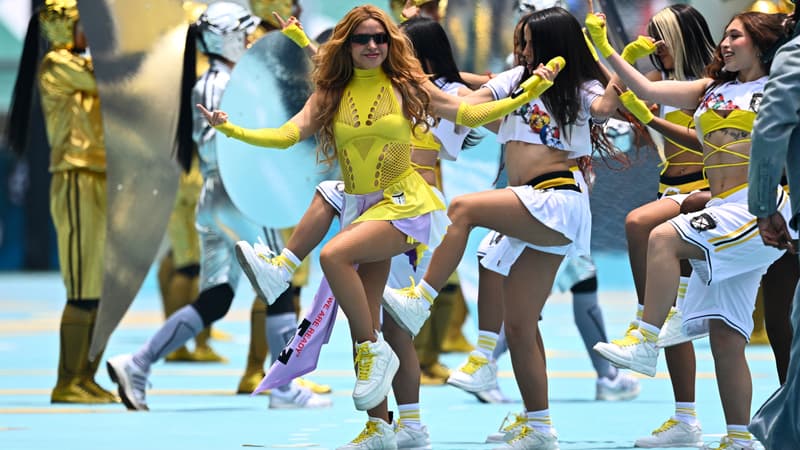
World Cup 2026 kicked off with a bang in Mexico with a spectacular opening ceremony at the iconic Azteca Stadium in Mexico City. Shakira, an emblematic figure from previous editions, captivated audiences by performing her hits before the kickoff of the match between Mexico and South Africa. Yet, barely had her performance ended when an extravagant rumor began to spread online, casting doubt on the artist’s true identity.
An internet user conducted a “meticulous investigation” in an attempt to dispel the speculation fueling the controversy. According to their findings, the Colombian singer may have been replaced by a lookalike during the event. Social media, ever quick to ignite, amplified this baseless theory, turning a simple performance into a global debate. The live broadcast footage of the ceremony did little to quell the skepticism of the most doubtful viewers. Shakira, no stranger to the spotlight and tributes at major football events, finds herself unwittingly at the center of an absurd and unexpected controversy. The artist, who has left her mark on World Cup history with her stage performances, now sees her reputation tarnished by unfounded accusations. The confusion over her identity during the Mexican evening echoes the excesses of conspiracy theories, which can infiltrate even the most highly publicized events. As the tournament unfolds, this incident once again highlights the power of social media in spreading misinformation. Meanwhile, World Cup organizers remain focused on what truly matters: the sporting spectacle and the emotion of the beautiful game.
The excesses of this 2026 edition, already evident in other controversies, confirm that world football will continue to make headlines beyond the pitch.
 Fréderic Manet · 12 juin 2026 · 2 min de lecture