The 2026-27 Premier League season is set to begin under a new light, marked by the absence of legends Sir Alex Ferguson, Arsène Wenger, Jürgen Klopp, and Pep Guardiola from the sidelines. For the first time, none of these four iconic managers will be coaching a team, signaling the start of an uncharted era. Only Mikel Arteta, Arsenal's current coach, has won the English championship in recent months. His role, increasingly reduced to that of a "head coach," contrasts with the historical influence of managers. On the field, Mohamed Salah has left Liverpool for Trabzonspor in Turkey, ending a decade of dominance by the club in the Premier League.
A new seven-tier ranking method
For this ranking of the top 50 players, ESPN FC is abandoning the traditional 50-to-1 list. Players are now divided into seven tiers, better reflecting the reality of football. Each tier corresponds to a player profile, whether a young prodigy, a goalkeeper, or a starter in a championship-winning team. Criteria include statistical impact, versatility, and adaptation to the demands of top clubs. Players currently in the Premier League or expected to join in the coming months are eligible, but no newcomers have yet been added to this top 50. Estêvão, Chelsea's attacking midfielder, tops the ranking at 50th place. Despite a season marred by a severe calf injury, the 18-year-old Brazilian posted a score of 67/100 according to the Futi model, the 37th-best performance in the league. His ball-carrying profile and playmaking ability, even as a young player, make him one of the most promising prospects. Goalkeepers occupy a distinct tier, with Bart Verbruggen (Brighton), David Raya (Arsenal), and Emiliano Martínez (Aston Villa) all in the top 50.
Key players from mid-table teams
The fifth tier groups together the best elements from mid-table teams. Among them, Daniel Muñoz (Crystal Palace), Amad Diallo (Manchester United), and Sandro Tonali (Tottenham) stand out. The latter, signed for €92.5 million, has shown average performance according to Futi (53rd percentile), but his profile aligns with his new club's expectations. Morgan Rogers, Chelsea's offensive midfielder, and Matheus Cunha (Manchester United) round out this group, with varied profiles but all capable of elevating their team's level. Eberechi Eze (Arsenal) and Pedro Neto (Chelsea) illustrate the difficulties in establishing themselves in clubs with high ambitions. Eze, disappointing in his first season in London, and Neto, whose offensive output remains insufficient for a title-chasing club, highlight the limits of their current impact. Conversely, Elliot Anderson (Manchester City), signed for €116 million, could see his ranking improve after his move from Nottingham Forest, where he dominated possession statistics. ### The Backbone of Championship Teams The fourth tier brings together players who are starters in championship teams. Among them, Youri Tielemans (Manchester United), Nico O'Reilly (Manchester City), and Alexis Mac Allister (Liverpool) embody this profile. Their value lies in their ability to occupy key positions without necessarily shining through offensive statistics. Reece James (Chelsea) and Rúben Dias (Manchester City) complete this group, with versatile defender profiles but lacking the exceptional qualities of the best. Semenyo (Manchester City) stands out with a prolific end to the season (17 goals for 11 expected), but his impact remains tied to the overall quality of his team. Midfielders like Gravenberch (Liverpool) and Zubimendi (Arsenal) bring technical depth, but their value largely depends on their teammates. ### Uncertainties and Hopes The third tier is marked by players whose futures remain uncertain. Florian Wirtz and Alexander Isak (Liverpool) disappointed in their first season but could bounce back. Anthony Palmer (Chelsea), in full recovery from injuries, is expected to return to form. Enzo Fernández (Chelsea) has seen his role evolve, shifting from a defensive midfielder to a box-to-box attacker, with mixed results. Virgil van Dijk (Liverpool) and Martin Ødegaard (Arsenal) embody the challenges faced by players nearing the end of their careers or in transition. The Dutchman, once a Liverpool pillar, sees his influence waning, while Ødegaard could be replaced by Bruno Guimarães, signed by Arsenal this summer. Rodri (Manchester City), despite a successful World Cup, struggles to regain his Premier League form after a knee injury. ### The Stars of Favorites' Teams The second tier includes the supporting players from the top teams. Jurriën Timber (Arsenal) has established himself as a complete right-back, combining solidity in defense with attacking contributions. Dominik Szoboszlai (Liverpool) and Josko Gvardiol (Manchester City) bring rare versatility, while Bruno Guimarães (Arsenal) and Moisés Caicedo (Chelsea) round out the group with technical profiles. Jérémy Doku (Manchester City) and Rayan Cherki (Manchester City) represent the club’s offensive future. Doku, the league’s leading ball carrier with 238 progressive runs, and Cherki, rated 87/100 by Futi, could see their influence grow under new City manager Enzo Maresca. ###
The six best players in the Premier League
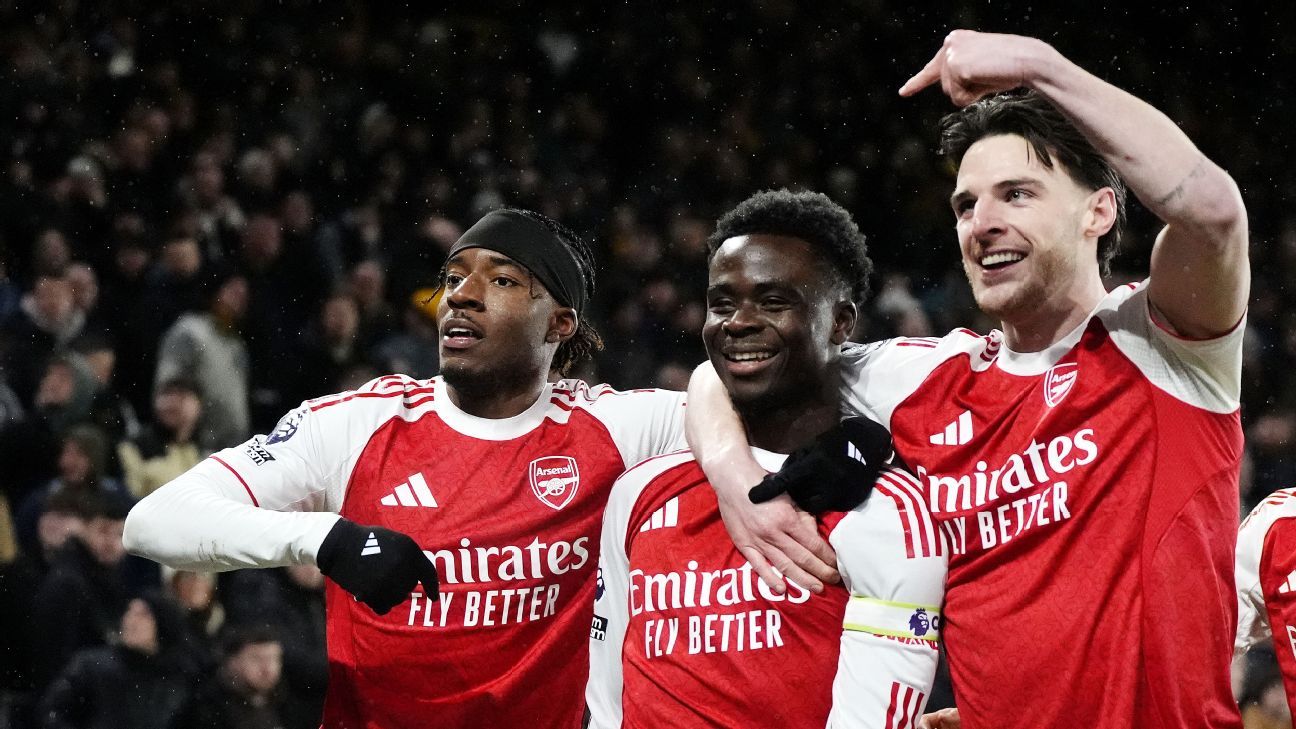
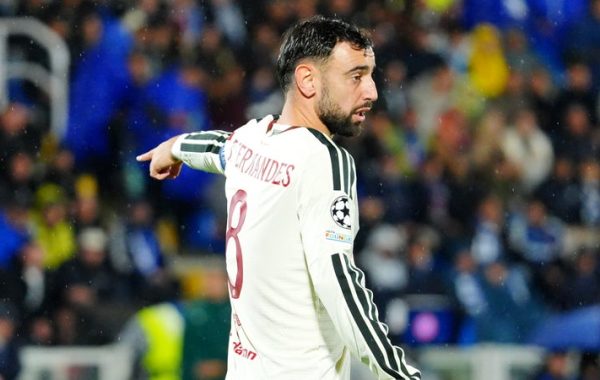
At the top of the rankings, six players finished the 2025-26 season in Futi’s top 12. William Saliba (Arsenal) is regarded as the world’s best defender, capable of neutralizing even the most dangerous attacking threats. Gabriel Magalhães (Arsenal) and Bukayo Saka (Arsenal) complete Arsenal’s defensive and offensive trio, each bringing complementary strengths. Declan Rice (Arsenal) and Bruno Fernandes (Manchester United) dominate the midfield with exceptional versatility and influence. Fernandes also broke the single-season assist record. Finally, Erling Haaland (Manchester City) retains the top spot thanks to his offensive output and overall impact. With 30 goals over four Premier League seasons, he remains one of the league’s most decisive players.
 Antoine Seville · 17 août 2026 · 6 min de lecture