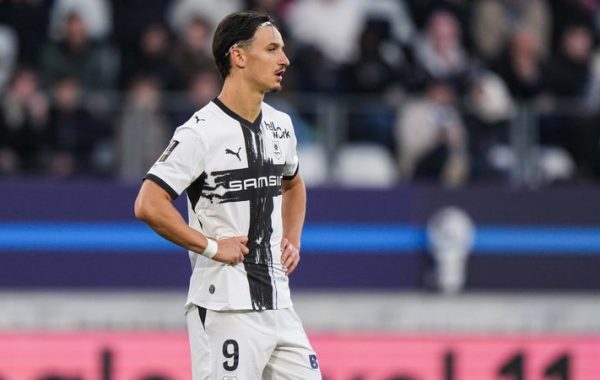
English football remains out of reach despite the streaming revolution
Antoine Seville · 22 août 2026 · 6 min de lecture
Écouter cet article
The football revolution will be streamed, except in the United Kingdom. The Premier League has launched a new direct service called "Premier League +", offering access to all 380 matches of the season live. This model, dubbed "PremFlix", is inspired by Netflix’s football model, allowing fans to watch matches from their couch, tablet, or any other screen. According to a YouGov survey conducted online among 876 supporters last year, 42% of them said they would be willing to subscribe to a dedicated Premier League platform. However, this service will only be accessible to residents of Singapore, in partnership with StarHub, the league’s long-standing international broadcast partner. British fans, meanwhile, continue to pay a premium price to follow their championship.
Prices three times higher than in Singapore
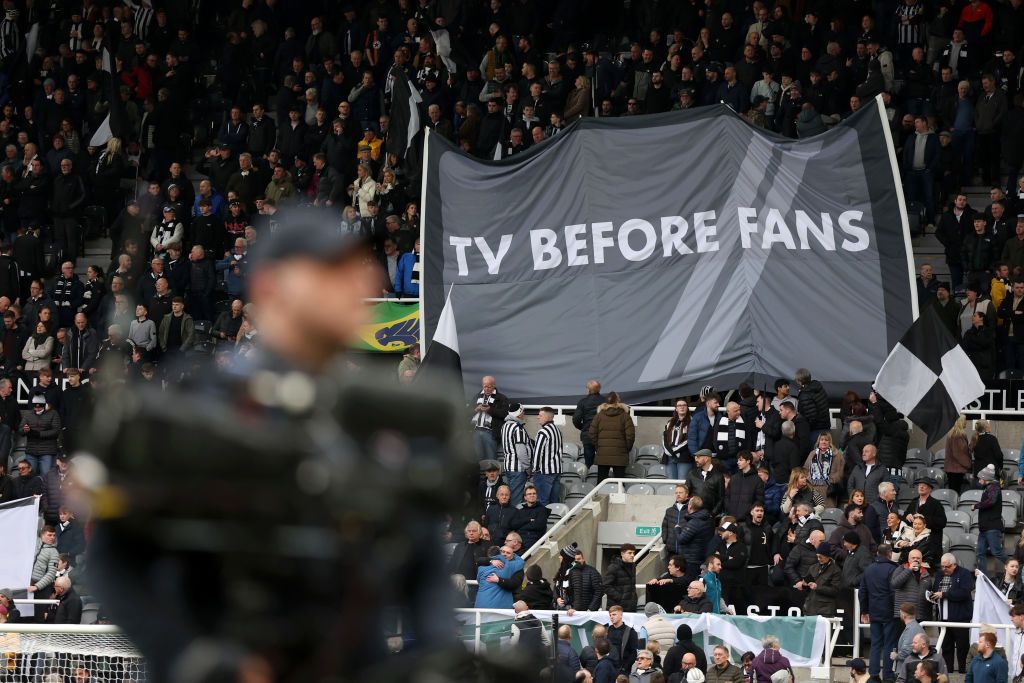
Even before the announcement of this new service, British supporters were already facing exorbitant prices to watch the Premier League. The "Premier League +" service costs around £25 per month, a price that contradicts the common belief that watching live football at a premium price is inevitable. In the United States, South America, or the Middle East, the rates are significantly lower. In the UK, fans must pay up to three times more to access matches broadcast on Sky Sports and TNT Sports, which cover only 267 of the 380 upcoming season games. But that’s not all: to watch all European and domestic competitions in full, fans would need to subscribe to eight different services, such as DAZN, Premier Sports, ESPN via Disney+, Amazon, or even Ligue 1 itself. The minimum cost amounts to £132.97 per month. Only the BBC and ITV, once pillars of football broadcasting, now share the remaining scraps. English football thus remains one of the most expensive in the world for viewers. For fans exclusively interested in the Premier League, they would have to spend £791.88 per season to watch all matches legally, according to eSIMatic’s calculations. Even worse, 113 matches of the season are not covered by any official broadcast partner. The "blackout" rule at 3 PM remains a controversial issue, preventing supporters from watching their team or another match live at that time on Saturdays. This measure, introduced in the 1960s by Burnley president Bob Lord, was initially intended to protect attendance at lower-division matches. Yet his 1974 remarks, where he claimed he wanted to "stand against a move to make football accessible to Jews who run television," cast a shadow over his true motivations.
A blackout maintained despite its controversial origins
Broadcasters, just like traditionalists, fiercely defend the maintenance of this blackout. Jeff Stelling, a former iconic presenter of the Soccer Saturday show on Sky, has taken a stand against its abolition, arguing that it would kill one of football’s cash cows. Prince William, president of the Football Association, has also criticized this rule, describing the inability to watch Aston Villa play at 3pm as “frustrating.” Yet many fans bypass this ban through illegal streams, a practice regularly condemned by the Premier League and British authorities. Convictions for facilitating circumvention, such as the use of jailbroken technology, are framed as victories against piracy rather than symptoms of a broader issue. A recent report by the Democracia84 think tank reveals that fans aged 18 to 35 in England’s historic football regions have seen a 47% increase in the cost of following the sport between 2015 and 2025, while household incomes stagnate. Football is not a television show, yet its revenues continue to grow without redistributing anything to the supporters who form its foundation. Solutions do exist to bypass the blackout without breaking the law. During the Covid-19 pandemic, the entire national football league was broadcast for free. Furthermore, UEFA relaxed enforcement of Article 48, allowing 25 matches from second, third, and fourth-tier leagues to be broadcast on the opening weekend of the season. Fears of a drop in attendance proved unfounded: the average attendance in the Championship last season was 26,684, while League One recorded 9,912 and League Two 4,164.
Could Jeff Bezos disrupt the market?
The next broadcasting rights cycle, which is set to be finalized within the next 18 months for the 2029/30 season, could see the emergence of a serious competitor to a "PremFlix" service in the UK. The recent arrival of Jeff Bezos, through the consortium 1892 Holdings, as a minority investor at Liverpool, suggests a desire to become more involved in English football. Amazon, already present in the broadcasting of the Premier League and the Champions League with innovative offerings such as access to multiple matches or the option to listen to crowd noise, may well attempt to dethrone Sky and TNT. Despite losing the rights to English football, Amazon continues to offer Nations League matches through a pay-per-view system. An opportunity for Bezos to position himself as the official broadcaster of the Premier League seems too tempting to ignore. The Singaporean model proves that it is possible to make football financially and geographically accessible. Removing current barriers would not only enrich the already lucrative Premier League but also reduce reliance on illegal streams by providing a viable alternative. As long as English football leaders refuse to adapt to new consumption habits, fans will continue to be exploited in the name of a supposed "protection of the game."
 Antoine Seville · 22 août 2026 · 6 min de lecture