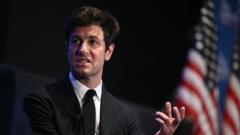
Businessman and investor Joshua Kushner has publicly admitted that he would not have supported FIFA President Gianni Infantino’s plan to sell shares in World Cup rights if he had been aware of the hostile reactions from the football world in advance. The plan, which was ultimately abandoned, aimed to allow FIFA to further monetize its broadcasting and marketing rights by breaking them into sellable shares for private investors.
Kushner, who had been approached to finance part of the controversial project, explained that the massive criticism from federations, clubs, and supporters played a decisive role in its abandonment. “I never could have imagined such a backlash,” he said, without specifying whether he had already invested funds in the matter.
A project that divided the football planet
From the moment it was announced, the plan to sell World Cup rights sparked a wave of protests. Critics, including prominent figures in football, condemned the excessive commercialization of the event and an attack on its universal nature. FIFA, under Infantino’s leadership, had attempted to justify the measure by citing the need to modernize its revenue streams, as the costs of organizing competitions continued to rise. The strongest reactions came from
UEFA, which had threatened sanctions against national federations participating in such transactions. The pressure exerted by European bodies ultimately hastened the abandonment of the project, despite promises of additional revenue for world football.
Financial and symbolic consequences
The failure of this plan now leaves FIFA facing a major challenge: finding new revenue sources without alienating its historic partners. Broadcasting rights, once highly lucrative, are seeing their prices stagnate, while expenses tied to the expansion of the World Cup to 48 teams in 2026 weigh heavily on the governing body’s finances. “We must rethink our economic model,” a FIFA spokesperson admitted anonymously. For Joshua Kushner, this affair now serves as a lesson on the limits of innovation in a sector as regulated and emotionally charged as football. His withdrawal from the project marks a turning point in FIFA’s governance, where external pressures now seem to outweigh short-term financial ambitions.
 Fréderic Manet · 31 août 2026 · 3 min de lecture