West Ham: Recruitment errors weighing down the Hammers
Fréderic Manet · 30 août 2026 · 4 min de lecture
Écouter cet article
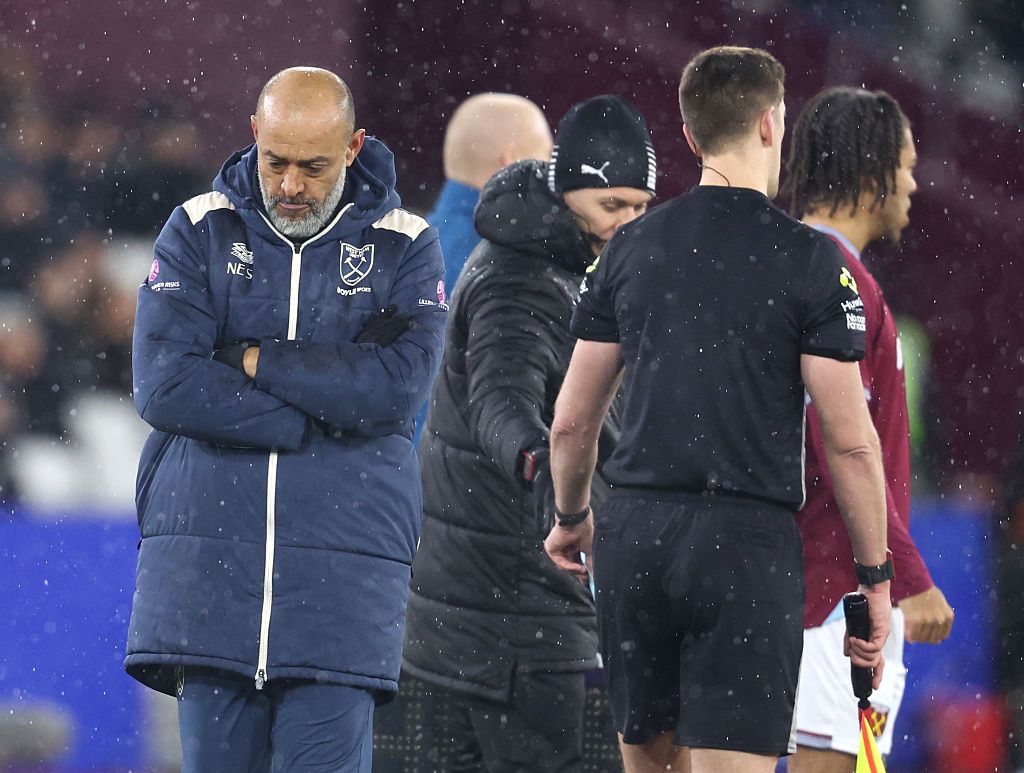
West Ham has launched its Championship campaign with the ambition of bouncing back after a disastrous 2024-2025 season. Nuno Espírito Santo and his team finished the league in 18th place, ending a 14-year stint in the top flight. A period marked by highs and lows, between European qualifications and relegation battles. Yet despite heavy spending in the transfer market, the club struggles to build a balanced squad, according to a former iconic player.
A reactive, not strategic recruitment
Tony Gale, former Hammers defender, points to the lack of long-term vision in the club’s recruitment policy. For him, West Ham has always prioritized urgency over planning, accumulating players without coherence. “Fulham has a far more effective buying strategy than ours,” he asserts. “It aims to build a balanced squad with strong resale value for players.” An approach that has allowed the Cottagers to establish themselves firmly in mid-table after their promotion to the Premier League in 2022, with four consecutive seasons in the top 15 (10th, 13th, 11th, and 11th). Gale laments a glaring lack of preparation: “West Ham seems to have been more reactive than proactive in the transfer market, acting only when a weakness is exposed.” A management style that contrasts with current standards, where the ability to develop players and maximize their market value has become crucial.
The merry-go-round of decision-makers, poison for the club
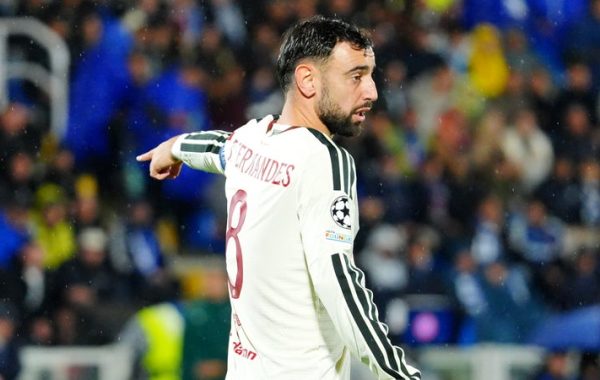
The problem, according to Gale, stems from the chronic instability at key positions. “Who actually manages the recruitment? An agent calls and sells you their player. But every agent does the same.” The constant turnover of sporting directors and transfer chiefs has prevented any continuity, turning the process into a series of improvised decisions. “There has been a constant renewal of football directors and scouts,” he recalls. The result: an inability to build a sustainable policy, where each new leader imposes their own logic. Gale cites costly signings like Matheus Fernandes, bought for £40 million in 2025 from Southampton, or Sébastien Haller, recruited for £45 million in 2019, as examples. Heavy investments, but rarely accompanied by a broader reflection on the club’s future. “West Ham has often had its pants down,” he summarizes, echoing a phrase attributed to Harry Redknapp, a club legend. A metaphor to illustrate a chronic vulnerability to agents and market pressures.
Fulham, a mirror of the Hammers’ failures
While West Ham sinks into a pattern of sporadic spending and immediate results, Fulham, according to Gale, has built a more sustainable model. “Their approach relies on smart resale and talent development,” he explains. A strategy that has paid off, turning a promoted side into a stable team capable of competing with far wealthier clubs. In contrast, despite their historic pedigree, the Hammers struggle to recover from relegation, trapped by short-term decisions. Nuno Espírito Santo, back in charge, will need to find a way out of this deadlock. But for Gale, the solution starts with a radical rethink: “They need to stop chasing players and start building a project.” A complex equation in a football world where urgency often trumps reflection.
 Fréderic Manet · 30 août 2026 · 4 min de lecture